
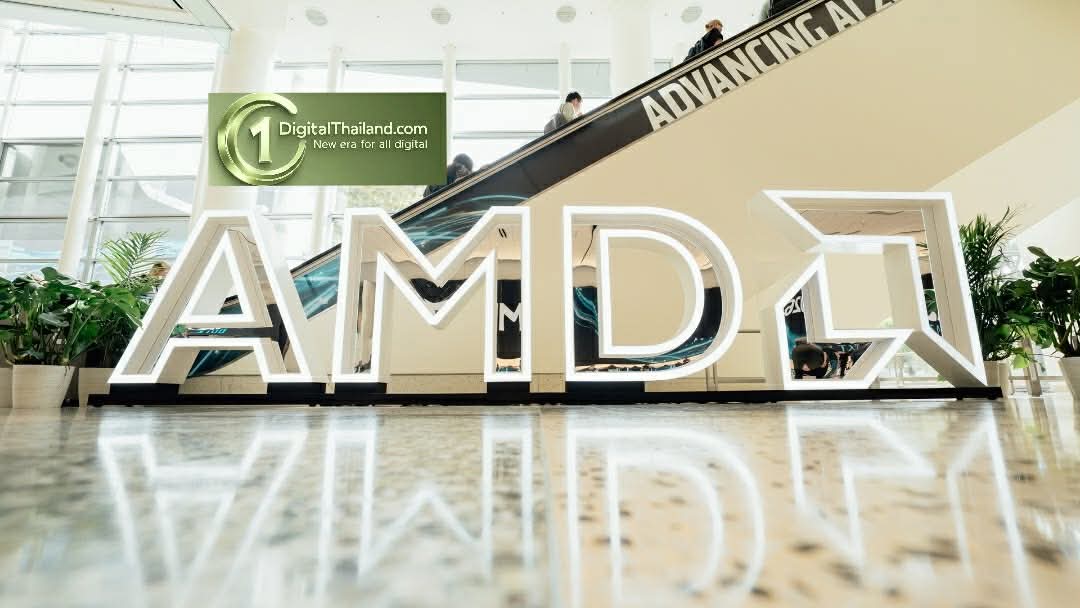
AMD เปิดตัวกลุ่มผลิตภัณฑ์การประมวลผลประสิทธิภาพสูงและการนำ AI มาใช้ในเชิงกายภาพ (Physical AI) ที่ครอบคลุม รวมถึงโซลูชัน AI ระดับโซลูชันชุดแรกของบริษัท และ AMD Helios ซึ่งเป็นแร็ค AI ที่ทรงพลังที่สุดในโลก
สรุปสาระสำคัญ
วันนี้ AMD (NASDAQ: AMD) เปิดตัวกลุ่มผลิตภัณฑ์โครงสร้างพื้นฐาน AI เจนเนอเรชั่นใหม่และ Physical AI ในงาน Advancing AI 2026 โดยมีโซลูชัน AMD Helios เป็นหัวใจสำคัญ ปัจจุบันโซลูชันดังกล่าวเข้าสู่การผลิตแล้ว และจะถูกนำไปใช้งานในระดับกิกะวัตต์โดยบริษัท AI ชั้นนำ
เมื่อ AI ขยายจากการฝึกโมเดลไปสู่การประมวลผลและเวิร์กโหลดแบบ Agentic ความต้องการด้านพลังการประมวลผลกำลังเพิ่มขึ้นอย่างรวดเร็ว AMD ส่งมอบแพลตฟอร์ม AI แบบเปิดและครบวงจร (full-stack) ช่วยให้ลูกค้ามีความยืดหยุ่นในการเลือกใช้ทรัพยากรการประมวลผลที่เหมาะสมกับแต่ละเวิร์กโหลด
ดร. ลิซ่า ซู ประธานและซีอีโอของ AMD กล่าวว่า “วิวัฒนาการขั้นต่อไปของ AI จะครอบคลุมในโมเดล, agents และ physical AI ระดับชั้นนำ ทำให้เกิดโอกาสใหม่ ๆ ในการนำความอัจฉริยะเข้าไปสู่ทุกการดำเนินงาน การทำให้ศักยภาพดังกล่าวเกิดขึ้นจริงจำเป็นต้องอาศัยความร่วมมือจากทั้งอุตสาหกรรม AMD กำลังทำงานร่วมกับพันธมิตรทั่วทั้งระบบนิเวศ เพื่อส่งมอบการประมวลผลระดับผู้นำและแพลตฟอร์มแบบเปิดที่มอบประสิทธิภาพ ความยืดหยุ่น และทางเลือกให้ลูกค้าสามารถขยาย AI จากดาต้าเซ็นเตอร์ไปจนถึงอุปกรณ์ปลายทางได้”
AMD Helios: โซลูชัน AI ที่มีประสิทธิภาพสูงสุด
การส่งมอบการประมวลผล AI ระดับชั้นนำ จำเป็นต้องใช้สถาปัตยกรรมแร็คที่ได้รับการบูรณาการอย่างสมบูรณ์ ทุกส่วนของสแต็กต้องถูกยกระดับด้านประสิทธิภาพขึ้นไปอีกชั้น AMD Helios ถูกสร้างขึ้นเพื่อเป้าหมายดังกล่าว ด้วยซิลิคอนที่ได้รับการปรับแต่งผสานรวมกัน ประกอบด้วยกราฟิกการ์ดประสิทธิภาพสูง AMD Instinct™ MI455X 72 ตัว และโปรเซสเซอร์ 6th Gen AMD EPYC™ “Venice” ที่ทรงพลัง 18 ตัว เชื่อมต่อผ่านระบบเครือข่าย Front-End, Scale-Up และ Scale-Out ของ AMD Pensando™ และเร่งประสิทธิภาพด้วยซอฟต์แวร์แบบเปิด AMD ROCm™ ทำให้ AMD Helios ผสานประสิทธิภาพการประมวลผลระดับผู้นำ ความจุหน่วยความจำ และแบนด์วิดท์เครือข่าย เพื่อมอบจำนวนโทเค็นต่อดอลลาร์มากกว่าโซลูชันชั้นนำของคู่แข่งสูงสุดถึง 30%1
ห้องปฏิบัติการ AI และผู้ให้บริการคลาวด์ชั้นนำต่างเลือก AMD Helios จากประสิทธิภาพการประมวลผลแบบเปิดและครบวงจร ซึ่งรวมถึง OpenAI, Anthropic, Meta, Microsoft, Oracle, HUMAIN, Tensorwave, Vultr, Cirrascale และรายอื่นๆ โดยระบบจะพร้อมให้บริการผ่าน OEM ชั้นนำ เช่น Bull, HPE, Lenovo และ Supermicro ตลอดจนพันธมิตรด้านโครงสร้างพื้นฐานอย่าง Sanmina และ Wiwynn
ในงาน Advancing AI พันธมิตร AMD ได้อธิบายการนำโครงสร้างพื้นฐาน AI ของ AMD ไปใช้ในวงกว้างสำหรับการฝึก Frontier Models และการประมวลผล AI:
ส่งมอบโปรเซสเซอร์ (CPU) และกราฟิกการ์ด (GPU) สำหรับดาต้าเซ็นเตอร์ที่มีประสิทธิภาพสูงสุด
โปรเซสเซอร์ 6th Gen EPYC มอบกลุ่มผลิตภัณฑ์เซิร์ฟเวอร์โปรเซสเซอร์์ที่ครอบคลุมที่สุดสำหรับงานด้าน Agentic AI2 รองรับเวิร์กโหลดคลาวด์ องค์กร การใช้งานทั่วไป และการประมวลผลประสิทธิภาพสูง (HPC) ด้วยประสิทธิภาพต่อคอร์ในระดับผู้นำและความหนาแน่นของเธรดสูงสุด3 จึงรองรับจำนวน Agent สูงสุดต่อวัตต์ ต่อดอลลาร์ และต่อแร็ค4,5,6 สำหรับโหนดโฮสต์ AI โปรเซสเซอร์ 6th Gen EPYC มอบความเร็วและแบนด์วิดท์หน่วยความจำเพื่อส่งข้อมูลให้ตัวเร่งความเร็วได้อย่างเต็มประสิทธิภาพ ส่วนเซิร์ฟเวอร์ใช้งานทั่วไปจะได้รับประสิทธิภาพและการประหยัดพลังงานระดับผู้นำสำหรับแอปพลิเคชันสำคัญทางธุรกิจและงานสนับสนุน AI
ด้วยกราฟิกการ์ด AMD Instinct™ MI400 Series ทำให้ AMD มอบประสิทธิภาพการประมวลผลระดับสูงสำหรับเวิร์กโหลดคลาวด์ องค์กร และ HPC โดยกราฟิกการ์ด AMD Instinct MI455X มอบ throughput ของโทเค็นสูงกว่า MI355X ถึง 34 เท่า7 สำหรับเวิร์กโหลดที่ต้องการความแม่นยำสูง กราฟิกการ์ด AMD Instinct™ MI430X เป็นโซลูชันที่ล้ำหน้าที่สุดสำหรับงานด้าน HPC และ Sovereign AI โดยมีประสิทธิภาพ FP64 บนฮาร์ดแวร์สูงสุด 288 TFLOPS สำหรับการประมวลผลทางวิทยาศาสตร์ ซึ่งเป็นขุมพลังขับเคลื่อนซูเปอร์คอมพิวเตอร์ระดับ Exascale รุ่นถัดไปในสหรัฐอเมริกาและยุโรป
AMD ยังได้เปิดตัวกราฟิกการ์ด Instinct MI350P เพื่อนำการเร่งการประมวลผลด้าน AI ที่ราบรื่นมาสู่โครงสร้างพื้นฐานเดิม พร้อมความคุ้มค่าด้านโทเค็นระดับผู้นำ โดย MI350P มอบจำนวนโทเค็นต่อวินาทีต่อดอลลาร์สูงกว่าคู่แข่งสูงสุด 4.2 เท่า8
พัฒนาระบบนิเวศซอฟต์แวร์แบบเปิด
สำหรับนักพัฒนา AMD ROCm คือแพลตฟอร์มซอฟต์แวร์แบบเปิดที่มอบประสิทธิภาพ ความยืดหยุ่น และการสนับสนุนจากระบบนิเวศที่จำเป็นต่อการสร้างและติดตั้ง AI บนฮาร์ดแวร์ AMD จากรากฐานดังกล่าว AMD เปิดตัว ROCm.ai แพลตฟอร์มการพัฒนาที่ขับเคลื่อนด้วย AI ช่วยให้นักพัฒนาสร้าง ปรับแต่ง และติดตั้งซอฟต์แวร์กราฟิกการ์ด บนแพลตฟอร์ม AMD ได้เร็วยิ่งขึ้น โดย ROCm.ai นำการเขียนโปรแกรมบนกราฟิกการ์ด ที่มี AI ช่วยสนับสนุนมาสู่นักพัฒนา โดยช่วยให้งานด้าน Coding Agents ยอดนิยมต่างๆ เช่น Claude, Codex และ Cursor เข้าใจแพลตฟอร์ม AMD และ ROCm ได้โดยตรง
ROCm.ai กำลังเร่งขยายการรองรับซอฟต์แวร์สำหรับกราฟิกการ์ด AMD Instinct MI455X พร้อมปรับแต่งประสิทธิภาพ เฟรมเวิร์กโอเพนซอร์สชั้นนำ เช่น PyTorch, Hugging Face, vLLM และ SGLang ที่รองรับ MI455X แล้วและให้ผลลัพธ์การทำงานที่ยอดเยี่ยม
เร่งโครงสร้างพื้นฐาน AI เจนเนอเรชั่นถัดไป
AMD กำลังขยายรอบการเปิดตัวผลิตภัณฑ์ประจำปีในกลุ่มผลิตภัณฑ์โปรเซสเซอร์, กราฟิกการ์ด, ระบบเครือข่าย และโซลูชันไปจนถึงปี 2030 โดยเปิดเผยรายละเอียดใหม่ของโรดแมป ประกอบด้วย:
ขยาย AI ทั่วทั้งองค์กร
องค์กรชั้นนำทำงานบนโครงสร้างพื้นฐานของ AMD ตั้งแต่คลาวด์ ดาต้าเซ็นเตอร์แบบไฮบริดและภายในองค์กร ไปจนถึงกลุ่มคอมพิวเตอร์ที่รองรับ AI เทคโนโลยี AMD ช่วยให้ลูกค้าขยายระบบได้รวดเร็วและเร่งการเปลี่ยนผ่านขององค์กร
AT&T แสดงให้เห็นการติดตั้ง Enterprise AI ในงาน Advancing AI ที่ยืดหยุ่นด้วยเทคโนโลยี AMD ในสภาพแวดล้อมคลาวด์ ภายในองค์กร และระบบ Air-Gapped นอกจากนี้ AT&T ยังใช้กราฟิกการ์ด AMD Instinct และซอฟต์แวร์ ROCm เพื่อขับเคลื่อนโมเดล OTel 2.0 ซึ่งเป็นโมเดลโอเพนซอร์สที่ฝึกมาโดยเฉพาะสำหรับอุตสาหกรรมโทรคมนาคม
ด้วยแพลตฟอร์มนักพัฒนา AMD Ryzen™ AI Halo ทำให้ AMD มอบประสิทธิภาพ ความคุ้มค่า และความเรียบง่ายที่ทำให้การพัฒนา AI ภายในเครื่องเข้าถึงได้ง่ายขึ้น แพลตฟอร์ม AMD Ryzen AI Halo ที่ขับเคลื่อนด้วยโปรเซสเซอร์ Ryzen™ AI Max PRO 400 Series จะพร้อมให้บริการภายในปลายปีนี้ผ่านทาง AMD และพันธมิตร OEM
นอกจากนี้ Cisco และ AMD กำลังร่วมมือกันผสานรวมเครื่องมือประมวลผลประสิทธิภาพสูงของ AMD รวมถึงระบบ AMD Ryzen AI Halo เข้ากับความสามารถด้านเครือข่าย การตรวจสอบระบบ และความปลอดภัยของ Cisco เพื่อให้องค์กรสามารถติดตั้ง กำกับดูแล และบริหารจัดการ Agentic AI ในรูปแบบไฮบริดและภายในเครื่องเป็นวงกว้าง
พัฒนาขอบเขตถัดไปของการใช้งาน AI ในเชิงกายภาพ
เมื่อ AI ขยายไปทั่วระบบคลาวด์ องค์กร และระบบภายในเครื่อง ขอบเขตถัดไปคือการนำความอัจฉริยะเข้ามาสู่เครื่องจักรที่สามารถรับรู้ ใช้เหตุผล และลงมือทำในโลกจริง AMD เปิดตัวโซลูชัน AMD Kria™ AI โดยใช้ประสบการณ์อันยาวนานด้านหุ่นยนต์ผ่าน AMD FPGA และ Adaptive SoC เพื่อขยายความสามารถด้านหุ่นยนตไปสู่สมองของหุ่นยนต์ โดย AMD นำการรับรู้ การใช้เหตุผล การตัดสินใจแบบ Agentic และการควบคุมมารวมกันบนแพลตฟอร์มเดียว เพื่อเสนอประสิทธิภาพที่จำเป็นสำหรับการทำงานในระบบหุ่นยนต์ในโลกจริงี่ซึ่งกำลังมีความต้องการสูง
กลุ่มผลิตภัณฑ์ประกอบด้วย System-on-Modules
(SOMs) AMD Kria AI รุ่นใหม่ที่ขับเคลื่อนด้วยโปรเซสเซอร์
AMD
Ryzen AI Embedded X100 Series และ AMD
Kria AI Robotics Developer Platform ซึ่งเป็นแพลตฟอร์มแบบเปิดและครบวงจรพร้อมใช้งานชุดแรกสำหรับหุ่นยนต์อัตโนมัติ
โดยผสานการประมวลผล CPU, GPU, NPU และ FPGA เมื่อทำงานร่วมกับระบบนิเวศซอฟต์แวร์แบบเปิดที่ขยายตัว
โซลูชัน AMD
Kria AI ช่วยลดการผูกติดกับผู้จำหน่ายรายเดียว
และช่วยช่วยเพิ่มความเร็วให้นักพัฒนาและลูกค้าจากต้นแบบสู่การผลิตสำหรับระบบ Physical
AI เจนเนอเรชั่นถัดไป
แหล่งข้อมูลเพิ่มเติม
About AMD
AMD (NASDAQ: AMD) drives innovation in high-performance and AI computing
to solve the world’s most important challenges. Today, AMD technology powers
billions of experiences across cloud and AI infrastructure, embedded systems,
AI PCs and gaming. With a broad portfolio of AI-optimized CPUs, GPUs,
networking and software, AMD delivers full-stack AI solutions that provide the
performance and scalability needed for a new era of intelligent computing.
Learn more at http://www.amd.com.
Cautionary Statement
This press release contains forward-looking statements concerning Advanced Micro Devices, Inc. (AMD) such as the features, functionality, performance, availability, timing and expected benefits of AMD products and expanded collaboration with Microsoft, which are made pursuant to the Safe Harbor provisions of the Private Securities Litigation Reform Act of 1995. Forward-looking statements are commonly identified by words such as "would," "may," "expects," "believes," "plans," "intends," "projects" and other terms with similar meaning. Investors are cautioned that the forward-looking statements in this press release are based on current beliefs, assumptions and expectations, speak only as of the date of this press release and involve risks and uncertainties that could cause actual results to differ materially from current expectations. Such statements are subject to certain known and unknown risks and uncertainties, many of which are difficult to predict and are generally beyond AMD's control, that could cause actual results and other future events to differ materially from those expressed in, or implied or projected by, the forward-looking information and statements. Material factors that could cause actual results to differ materially from current expectations include, without limitation, the following: impact of government actions and regulations such as export regulations, import tariffs, trade protection measures, and licensing requirements; competitive markets in which AMD’s products are sold; the cyclical nature of the semiconductor industry; market conditions of the industries in which AMD products are sold; AMD’s ability to introduce products on a timely basis with expected features and performance levels; loss of a significant customer; economic and market uncertainty; quarterly and seasonal sales patterns; AMD's ability to adequately protect its technology or other intellectual property; unfavorable currency exchange rate fluctuations; ability of third party manufacturers to manufacture AMD's products on a timely basis in sufficient quantities and using competitive technologies; availability of essential equipment, materials, components (such as memory supply), substrates or manufacturing processes; ability to achieve expected manufacturing yields for AMD’s products; AMD's ability to generate revenue from its semi-custom SoC products; potential security vulnerabilities; potential security incidents including IT outages, data loss, data breaches and cyberattacks; uncertainties involving the ordering and shipment of AMD’s products; AMD’s reliance on third-party intellectual property to design and introduce new products; AMD's reliance on third-party companies for design, manufacture and supply of motherboards, software, memory and other computer platform components; AMD's reliance on Microsoft and other software vendors' support to design and develop software to run on AMD’s products; AMD’s reliance on third-party distributors and add-in-board partners; impact of modification or interruption of AMD’s internal business processes and information systems; compatibility of AMD’s products with some or all industry-standard software and hardware; costs related to defective products; failure to maintain an efficient supply chain as customer demand changes; AMD's ability to rely on third party supply-chain logistics functions; AMD’s ability to effectively control sales of its products on the gray market; impact of climate change on AMD’s business; AMD’s ability to realize its deferred tax assets; potential tax liabilities; current and future claims and litigation; impact of environmental laws, conflict minerals related provisions and other laws or regulations; evolving expectations from governments, investors, customers and other stakeholders regarding corporate responsibility matters; issues related to the responsible use of AI; restrictions imposed by agreements governing AMD’s notes, the guarantees of Xilinx’s notes and the revolving credit agreement; AMD’s ability to satisfy financial obligations under guarantees, leases and other commercial commitments; impact of acquisitions, joint ventures and/or investments on AMD’s business and AMD’s ability to integrate acquired businesses; impact of any impairment of the combined company’s assets; political, legal and economic risks and natural disasters; future impairments of technology license purchases; AMD’s ability to attract and retain key employees; and AMD’s stock price volatility. Investors are urged to review in detail the risks and uncertainties in AMD’s Securities and Exchange Commission filings, including but not limited to AMD’s most recent reports on Forms 10-K and 10-Q.
AMD, the AMD Arrow logo, AMD Instinct, AMD Pensando, AMD ROCm,
EPYC and combinations thereof are trademarks of Advanced Micro Devices, Inc.
Microsoft, Azure are trademarks or registered trademarks of their respective
owners. Other names are for informational purposes only and may be trademarks
of their respective owners.